· AtlasPCB Engineering Team · News · 4 min read
Samsung 2nm Yield Surpasses 60%
Samsung's 2nm GAA process yield crosses 60% in Q1 2026, up from 20% in late 2025. Combined with HBM4 validation from NVIDIA and AMD, the breakthrough signals intensifying competition in advanced packaging and PCB substrate demand.
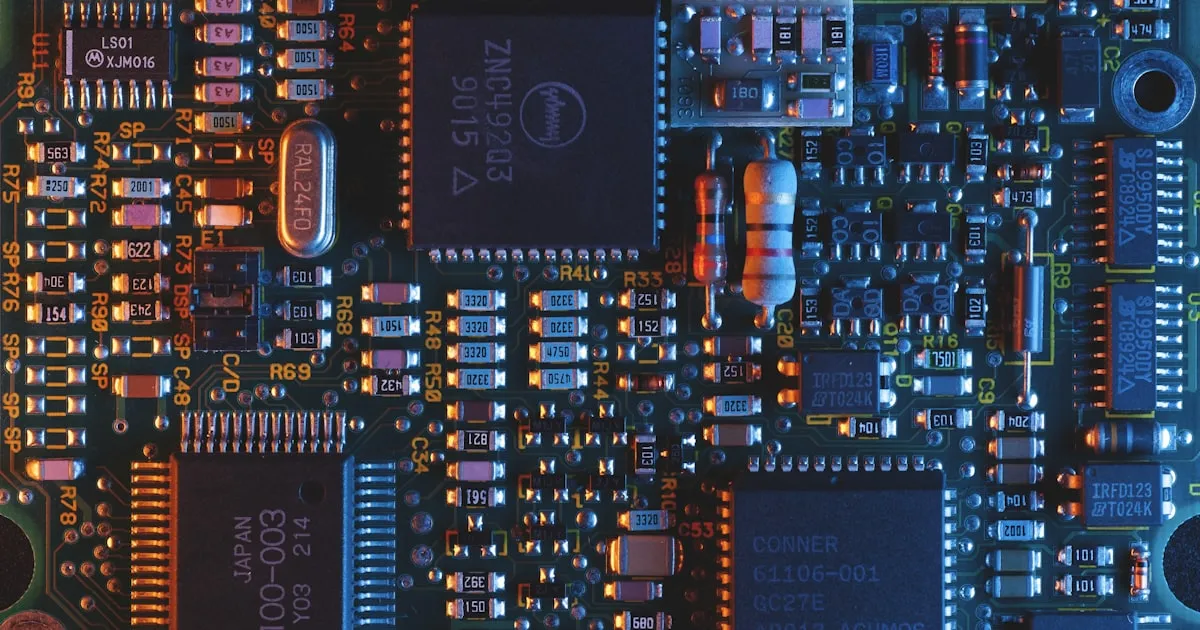
Samsung Achieves Major 2nm Yield Breakthrough
Samsung’s 2nm Gate-All-Around (GAA) process achieved a significant manufacturing milestone in the first quarter of 2026, with yields surpassing 60%—a dramatic improvement from approximately 20% in the second half of 2025. The yield level now approaches TSMC’s 2nm production capability of 60-70%, marking Samsung Foundry’s most competitive position in the advanced logic process race in years.
The breakthrough comes at a pivotal moment: Samsung secured HBM4 memory validation from both NVIDIA and AMD in April 2026, with volume supply expected to begin in June. This dual achievement—competitive logic yields plus cutting-edge memory qualification—positions Samsung as a credible second source for complete AI chip packaging ecosystems.
Impact on PCB Substrate Supply Chain
Samsung’s foundry capacity coming online creates additional demand for advanced packaging substrates:
Expanded Substrate Requirements
With two foundries now capable of producing 2nm chips at scale, the total demand for advanced packaging substrates grows significantly:
- Additional CoWoS-equivalent packaging capacity from Samsung’s I-Cube and FOWLP platforms
- HBM4 memory substrates requiring finer pitch interconnect (30μm bump pitch vs 40μm for HBM3E)
- Test and qualification boards for Samsung customer tape-outs increasing PCB prototype demand
- Dual-source validation boards as chip designers qualify both TSMC and Samsung processes simultaneously
Global Foundry Revenue Growth
TrendForce forecasts 2026 global foundry revenue growth of 24.8%, with TSMC projected to lead at 32% growth. Samsung’s yield improvement enables it to capture a larger share of AI chip manufacturing orders that previously defaulted to TSMC due to yield concerns.
For the PCB industry, this diversification is positive: more active foundries means more substrate orders, more evaluation boards, and a broader base of AI hardware platforms requiring high-end printed circuit boards.
Intel’s Apple Agreement: Third Competitor Emerges
Adding to foundry competition dynamics, The Wall Street Journal reported in early May that Intel reached a preliminary chipmaking agreement with Apple—a breakthrough for Intel’s foundry business that could further expand advanced substrate demand.
Intel’s stock surged 14% on the news, signaling market confidence that a three-way foundry competition (TSMC, Samsung, Intel) will drive unprecedented investment in semiconductor manufacturing infrastructure, including the PCB substrates that connect these advanced chips to system boards.
SMIC Consolidation Continues
Meanwhile, SMIC (the largest Chinese foundry) completed a major milestone with Shanghai Stock Exchange approval for its RMB 40.6 billion acquisition of SMIC North’s remaining 49% equity. While SMIC operates at less advanced nodes (7nm and above), its expansion increases demand for standard-process PCBs in consumer electronics, IoT, and industrial markets.
Technical Significance: GAA Transistor Architecture and Packaging
Samsung’s 2nm process uses Gate-All-Around (GAA) transistor architecture—a fundamental shift from FinFET that wraps the gate completely around the channel for superior electrostatic control. The yield improvement to 60% at this revolutionary node demonstrates that GAA manufacturing challenges are being systematically overcome.
For PCB substrate technology, GAA at 2nm means:
Higher transistor density: 2nm chips pack more logic into smaller die areas, but AI accelerators still require multi-die configurations. This sustains demand for large-format advanced packaging and corresponding substrate complexity.
Lower voltage operation: 2nm GAA runs at lower supply voltages (0.6-0.7V versus 0.75V for 3nm), requiring tighter voltage regulation accuracy. PCB power delivery networks must achieve <1% ripple and ultra-fast transient response, demanding more decoupling capacitor sites and lower-inductance via arrays.
HBM4 memory integration: Samsung’s simultaneous HBM4 validation from NVIDIA and AMD means the company can offer complete packaging solutions—logic + memory—to AI chip designers. HBM4 operates at 30μm bump pitch (versus 40μm for HBM3E), requiring finer interconnect on the interposer substrate that bridges memory to compute.
Thermal density challenges: 2nm chips dissipate more power per unit area despite efficiency improvements per transistor. System boards must accommodate increasingly aggressive thermal solutions, influencing PCB material selection (high-Tg, high-CTI) and copper weight requirements.
What This Means for PCB Designers and Buyers
The multi-foundry 2nm ramp creates several practical implications:
- Lead times for advanced PCB substrates may extend further as all three foundries drive demand simultaneously
- Material allocation for ultra-low-loss laminates (Megtron 6/7, Panasonic) becomes more competitive
- Design flexibility improves as chip designers can qualify multiple foundry sources, each requiring PCB evaluation platforms
- Volume production PCBs for AI servers will see sustained demand growth through 2027-2028 as 2nm chips reach mass production
AtlasPCB supports this ecosystem with rapid-turn HDI prototyping for foundry evaluation boards and production-volume fabrication for AI server platforms. Our process handles the 50μm line/space requirements and 20+ layer counts that these advanced packaging evaluation boards demand.
Source: Siproin Semiconductor Monthly Report, May 2026; TrendForce foundry revenue forecasts.
Image: Laura Ockel via Unsplash
Related Reading:
About AtlasPCB — We specialize in complex PCB manufacturing for HDI, RF, and high-reliability applications. Explore our impedance-controlled PCB manufacturing . Every order includes free engineering review. Get your quote.
Reviewed by AtlasPCB Engineering Team — IPC-certified manufacturing specialists with 15+ years of production experience in HDI, RF, and high-reliability PCB fabrication. Content based on factory floor data and real customer design reviews.
- news
- Samsung
- 2nm
- GAA
- semiconductor
- foundry
- HBM4
- advanced packaging
- PCB substrate