· David Okafor · News · 5 min read
US PCB Tariff Impact April 2026
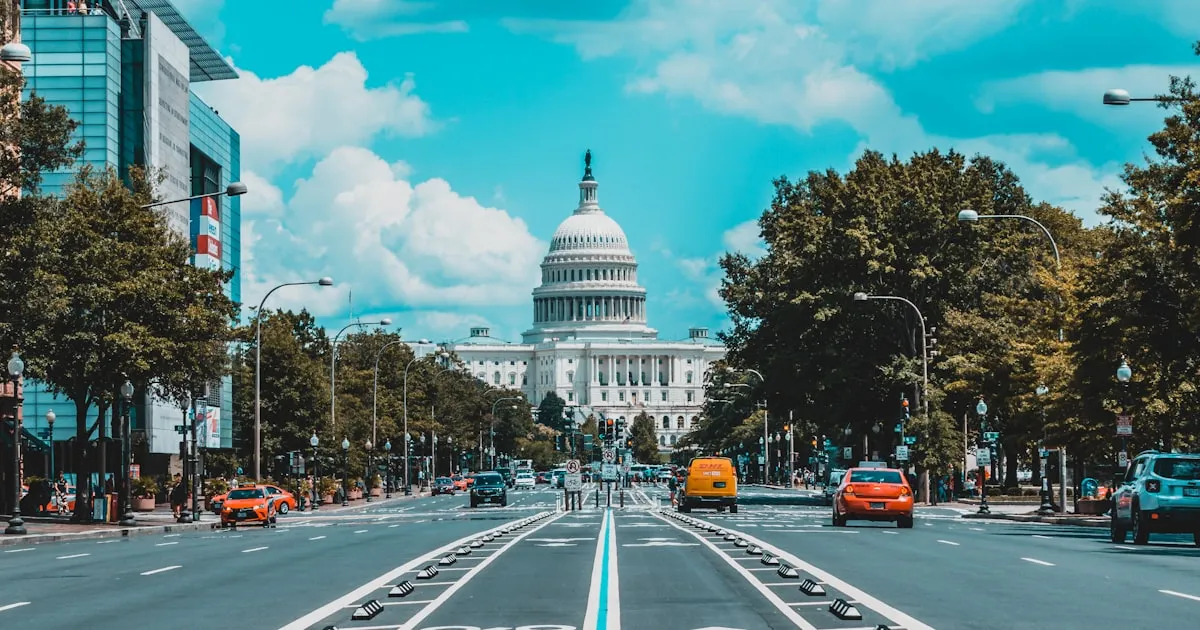
Escalating US tariffs on Chinese-manufactured PCBs and electronic components are reshaping global supply chains in Q2 2026. Engineers and procurement teams face tough decisions as reshoring gains momentum and the 'China Plus One' strategy becomes the new baseline.
Quick Answer
As of April 2026, US tariffs on Chinese-manufactured PCBs have reached effective rates of 50–70% when combining Section 301 duties, anti-dumping duties, and the latest reciprocal tariff measures. This has accelerated reshoring of PCB fabrication to North America and driven widespread adoption of China Plus One sourcing strategies, particularly for defense, aerospace, and medical electronics. Lead times for domestically produced high-layer-count PCBs have extended by 2–3 weeks due to capacity constraints at US fabricators.
US PCB Tariff Impact April 2026: Supply Chain Reshoring Accelerates as Duties Escalate
The tariff environment for printed circuit boards imported into the United States has reached a new level of complexity in April 2026, forcing hardware companies across defense, automotive, medical, and consumer electronics to fundamentally reconsider their PCB sourcing strategies.
With combined duty rates now reaching 50–70% on many Chinese-manufactured PCBs, the cost calculus that once made offshore fabrication an obvious choice has shifted dramatically. The result: a reshoring wave that is straining domestic capacity and a “China Plus One” strategy that has become standard operating procedure for procurement teams.
The Tariff Landscape in April 2026
The current duty structure for Chinese-origin PCBs is the product of multiple overlapping trade actions:
- Section 301 tariffs (originally 25%, first imposed in 2018–2019) remain in effect for PCBs classified under HTS 8534.00
- Reciprocal tariff measures enacted in early 2026 added an additional 20–35% on electronic components and assemblies, with PCBs caught in the broader electronics category
- Anti-dumping investigations targeting specific PCB types (particularly multilayer boards under 8 layers) have introduced preliminary duties on certain classifications
The cumulative effect is that a PCB order that cost $10,000 FOB China in 2024 now carries $5,000–$7,000 in duties upon US import — before freight, insurance, and customs brokerage fees.
For high-volume, cost-sensitive products, this tariff burden is existential. For high-reliability applications where PCB cost is a small fraction of total system value, the impact is manageable but still demands procurement optimization.
The Reshoring Reality
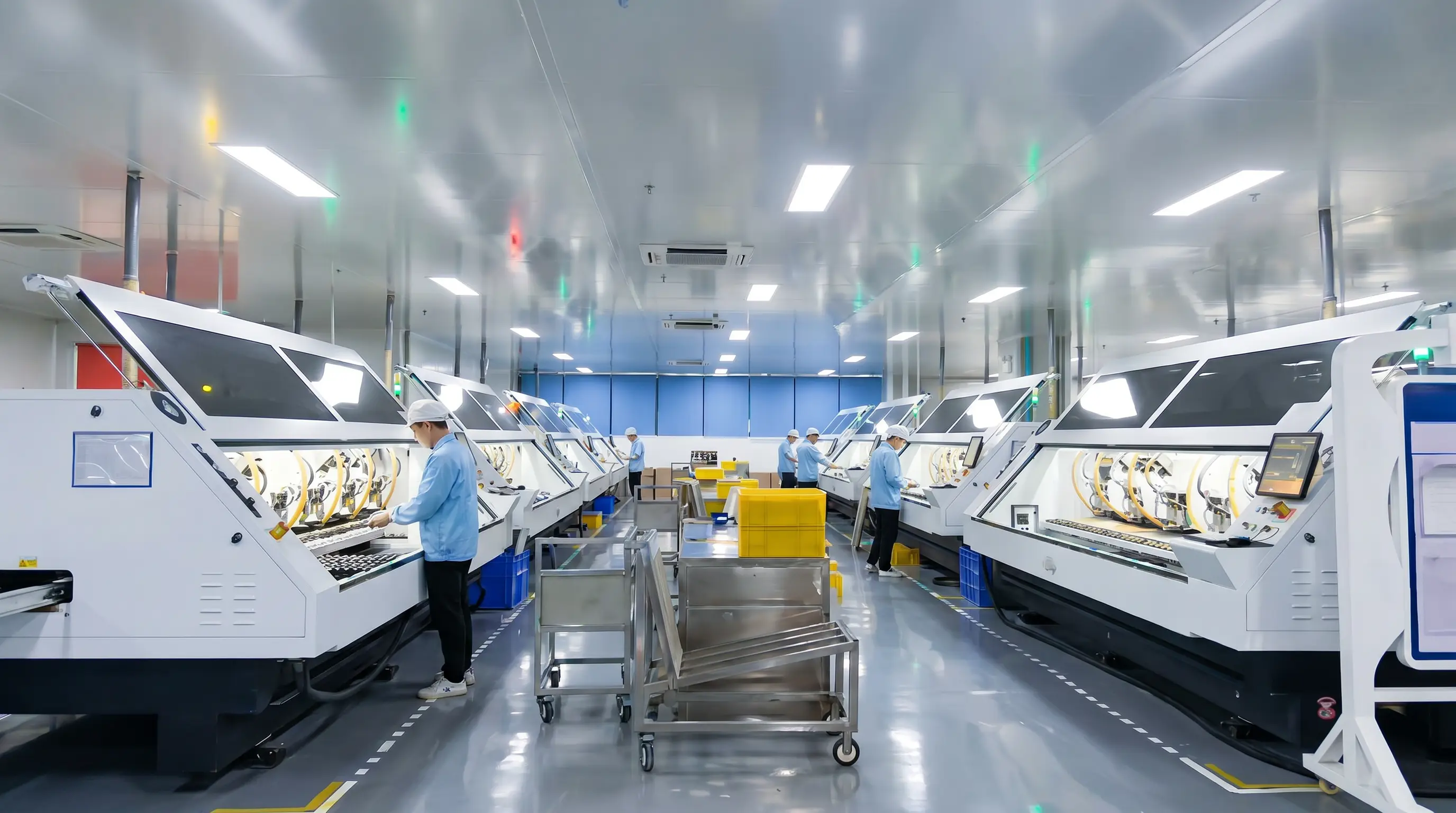
US PCB fabrication capacity has been expanding, but not fast enough to absorb the demand shift. According to industry estimates, North American bare board production represented approximately 4–5% of global PCB output by revenue entering 2026, compared to roughly 50% for China.
Several dynamics are playing out simultaneously:
Domestic capacity constraints: US fabricators report order backlogs extending 6–8 weeks for standard multilayer boards, compared to 3–4 weeks a year ago. For complex HDI and high-layer-count designs, lead times have stretched even further.
Capital investment surge: Multiple US PCB manufacturers have announced expansion plans totaling over $500 million in combined capital expenditure for 2026–2028, supported by CHIPS Act adjacent funding and state-level manufacturing incentives. However, new production lines take 18–24 months to commission.
Workforce challenges: Skilled PCB fabrication technicians are in short supply. The industry’s workforce contracted significantly during the offshoring wave of the 2000s, and rebuilding that talent pipeline is a multi-year effort.
The China Plus One Strategy
For many companies, full reshoring isn’t practical — particularly for complex, high-layer-count boards where [Chinese manufacturers have invested heavily in advanced capabilities]/blog/complex-pcb-manufacturer-china/). Instead, the dominant approach has become diversifying supply chains across multiple geographies:
- Southeast Asia: Vietnam, Thailand, and Malaysia have seen significant PCB fabrication investment, though their capabilities currently skew toward simpler board types (1–8 layers)
- Taiwan and South Korea: Strong capabilities in advanced substrates and HDI, though with premium pricing
- India: Emerging as a PCB manufacturing destination with government incentives, but still building infrastructure for complex boards
- North America: Preferred for defense, aerospace, and ITAR-controlled designs where domestic sourcing is mandated or strongly preferred
The practical reality for most engineering teams is a split sourcing model: commodity boards (2–6 layers, standard FR-4) shifted to domestic or Southeast Asian suppliers, while [complex, high-technology boards]/blog/how-to-order-pcb-from-china/) continue to be sourced from established partners with proven advanced capabilities.
What Engineers Can Do Now
Regardless of where your organization falls on the reshoring spectrum, several practical steps can help mitigate tariff impact:
1. Audit your HTS classifications. Many PCBs are classified broadly, and in some cases, reclassification based on specific construction features (e.g., rigid-flex vs. rigid) can result in different duty rates. Work with a customs broker who specializes in electronics.
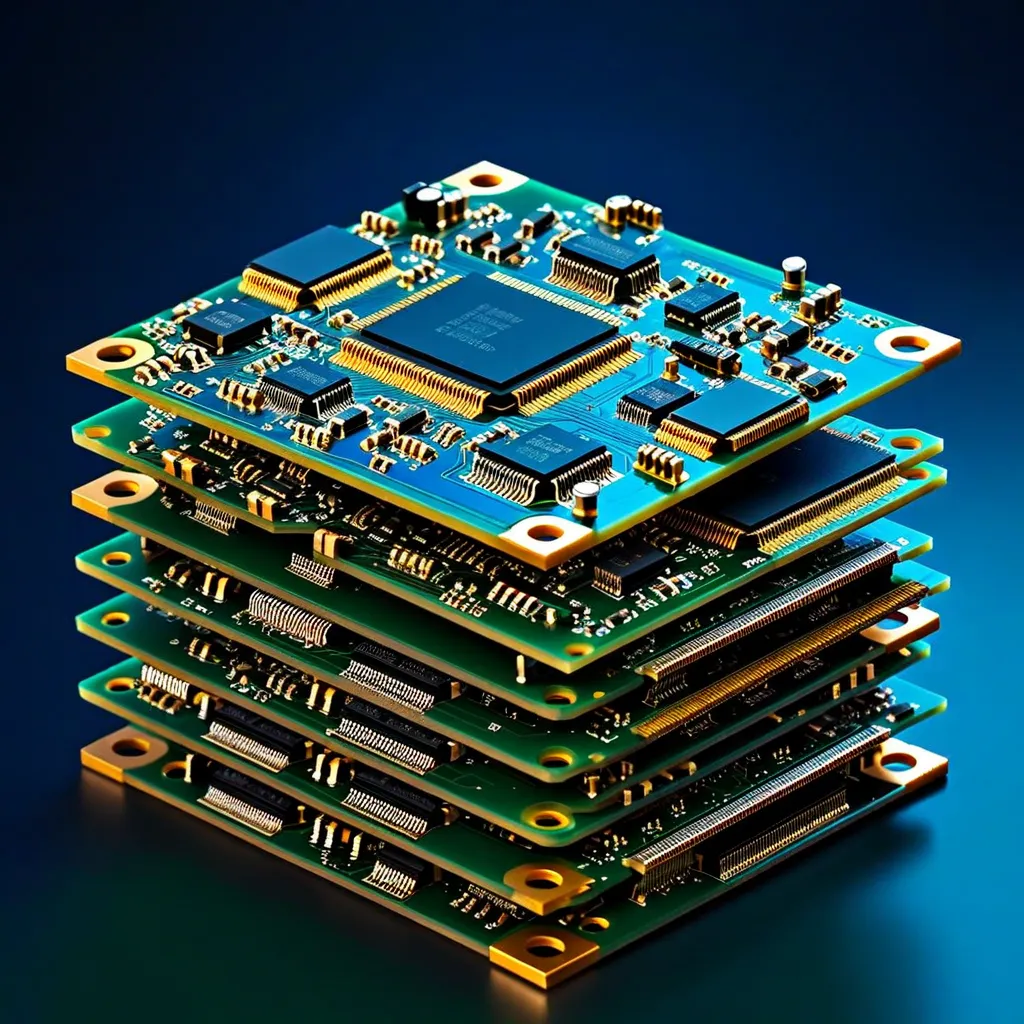
2. Evaluate design-for-cost opportunities. Can an 8-layer stackup be reduced to 6 layers without compromising signal integrity? Can blind vias replace through-hole vias to reduce drill cycles? Small design optimizations can yield meaningful per-unit savings when multiplied by tariff rates.
3. Consolidate and forecast. Larger, planned orders typically receive better pricing than spot buys. Work with your procurement team to establish quarterly or semi-annual blanket orders with your fabrication partners.
4. Qualify backup sources. If you haven’t already, begin the qualification process for at least one alternative PCB supplier in a different tariff jurisdiction. This process takes 3–6 months for most board types, so starting now is essential.
5. Leverage bonded warehouse and FTZ programs. For boards destined for re-export as part of finished products, Foreign Trade Zones (FTZs) and duty drawback programs can significantly reduce the effective tariff burden.
The Outlook for H2 2026
Industry analysts expect the tariff situation to remain volatile through the second half of 2026. Several scenarios are being tracked:
- Further escalation: Additional tariff actions targeting specific electronic subsystems remain possible, potentially expanding the scope of affected PCB types
- Negotiated exclusions: Industry groups are lobbying for product-specific exclusions for PCB types not manufactured domestically in sufficient volume
- Supply chain maturation: Southeast Asian PCB capacity is expected to reach meaningful scale for mid-complexity boards by late 2027, providing additional sourcing alternatives
For now, the message to engineering and procurement teams is clear: build resilience through diversification, maintain relationships with capable suppliers across multiple regions, and treat tariff optimization as an ongoing operational discipline rather than a one-time exercise.
The companies that navigate this transition effectively will emerge with more robust, geographically diversified supply chains — a competitive advantage that extends well beyond the current trade tensions.
AtlasPCB Engineering provides tariff-optimized sourcing guidance for complex PCB requirements. Visit our homepage or request a quote to discuss your specific supply chain needs.
About AtlasPCB — We specialize in complex PCB manufacturing for HDI, RF, and high-reliability applications. Explore our full PCB manufacturing capabilities, or get an instant online quote . Every order includes free engineering review. Get your quote.
Reviewed by AtlasPCB Engineering Team — IPC-certified manufacturing specialists with 15+ years of production experience in HDI, RF, and high-reliability PCB fabrication. Content based on factory floor data and real customer design reviews.
Frequently Asked Questions
What is the current US tariff rate on PCBs imported from China?
How are engineers adapting to PCB tariff increases?
Is it still cost-effective to source PCBs from China despite tariffs?
- industry-news
- tariffs
- supply-chain
- reshoring
- pcb-manufacturing