· AtlasPCB Engineering Team · News · 3 min read
Samsung Averts Semiconductor Worker Strike as AI
Samsung reached a last-minute bonus agreement with semiconductor workers, avoiding a strike that could have disrupted DRAM and HBM production. The deal ties compensation to AI-driven chip profits, setting a precedent for the industry.

Strike Averted, But Tensions Reveal Industry Pressure Points
Samsung Electronics narrowly avoided a semiconductor worker strike this week after reaching a bonus agreement with the National Samsung Electronics Union (NSEU), according to The New York Times. The deal ties worker compensation directly to profits from AI-driven memory chips—particularly High Bandwidth Memory (HBM) products that have seen explosive demand growth.
The near-miss highlights how the AI hardware boom is creating labor pressures across the semiconductor supply chain, with implications that extend from chip fabrication down to the PCB substrates that connect these advanced memory packages.
What Happened
Samsung’s semiconductor division workers, represented by NSEU, demanded a greater share of profits generated by the company’s HBM3E memory chips—products selling at 5–8× the price-per-bit of conventional DRAM. The union argued that while Samsung’s memory division reported record operating profits driven by AI server demand, worker bonuses hadn’t kept pace.
The agreement, reached just hours before a planned walkout, reportedly includes:
- Performance bonuses tied to AI chip division profitability
- Expanded profit-sharing for HBM production lines
- Commitment to maintain workforce levels despite increased automation
Had the strike proceeded, analysts estimated potential disruption to:
- HBM3E production for NVIDIA and AMD AI accelerators
- LPDDR5X supply for smartphone and laptop OEMs
- DDR5 server memory during a period of already-tight supply
Why PCB Engineers Should Pay Attention
The Samsung situation illuminates a broader reality: every disruption in semiconductor manufacturing creates downstream PCB demand volatility.
HBM and Advanced Packaging Drive Substrate Demand
HBM chips don’t connect directly to a motherboard—they sit on advanced organic substrates (interposers and redistribution layers) that are essentially high-density PCBs manufactured with IC substrate processes:
- 2-2-2 µm line/space (compared to 75/75 µm for standard PCBs)
- ABF (Ajinomoto Build-up Film) dielectric layers
- 10+ redistribution layers with microvias
- Panel-level packaging at substrate manufacturers
Samsung’s HBM production volume directly correlates with substrate demand at companies like Ibiden, Shinko Electric, Samsung Electro-Mechanics, and Daeduck Electronics.
Supply Chain Ripple Effects
A Samsung production disruption—even a brief one—would have cascading effects:
- Memory pricing spikes → AI server OEMs delay orders → reduced demand for server motherboard PCBs
- HBM substrate orders pause → substrate fabricators redirect capacity to standard IC packaging
- Inventory building → customers double-order to hedge, creating artificial demand spikes later
This volatility is why diversified sourcing matters for PCB supply chains. Companies relying on single-source memory components should plan for 2–4 week buffer stock during periods of labor uncertainty.
The Bigger Picture: AI Profits Reshaping Electronics Labor
Samsung’s deal reflects a pattern emerging across the electronics manufacturing ecosystem:
- TSMC increased worker bonuses 20% in 2025, explicitly linked to AI chip revenue
- SK Hynix restructured compensation to share HBM profits with production staff
- European semiconductor incentives (EU Chips Act) include workforce development mandates
As AI hardware generates outsized profits concentrated in specific product lines, workers across the value chain—from chip fabrication to PCB assembly—are demanding a larger share. This structural shift will likely increase manufacturing costs industry-wide over the next 2–3 years.
Implications for PCB Procurement
For hardware engineers and procurement managers, the Samsung situation reinforces several best practices:
- Diversify memory sourcing: Don’t rely 100% on a single DRAM/NAND vendor
- Monitor labor relations at key suppliers: Union negotiations at Samsung, SK Hynix, and TSMC can signal upcoming supply disruptions
- Build substrate lead time into schedules: Advanced packaging substrates already have 16–20 week lead times; disruptions can extend this to 24+
- Consider PCB fabrication geography: Manufacturing in regions with stable labor relations reduces schedule risk
AtlasPCB maintains consistent production capacity and lead times through proactive workforce management and buffer material inventory, ensuring customer deliveries remain on schedule regardless of upstream semiconductor volatility.
Source: The New York Times, May 21, 2026; additional context from PCB Update
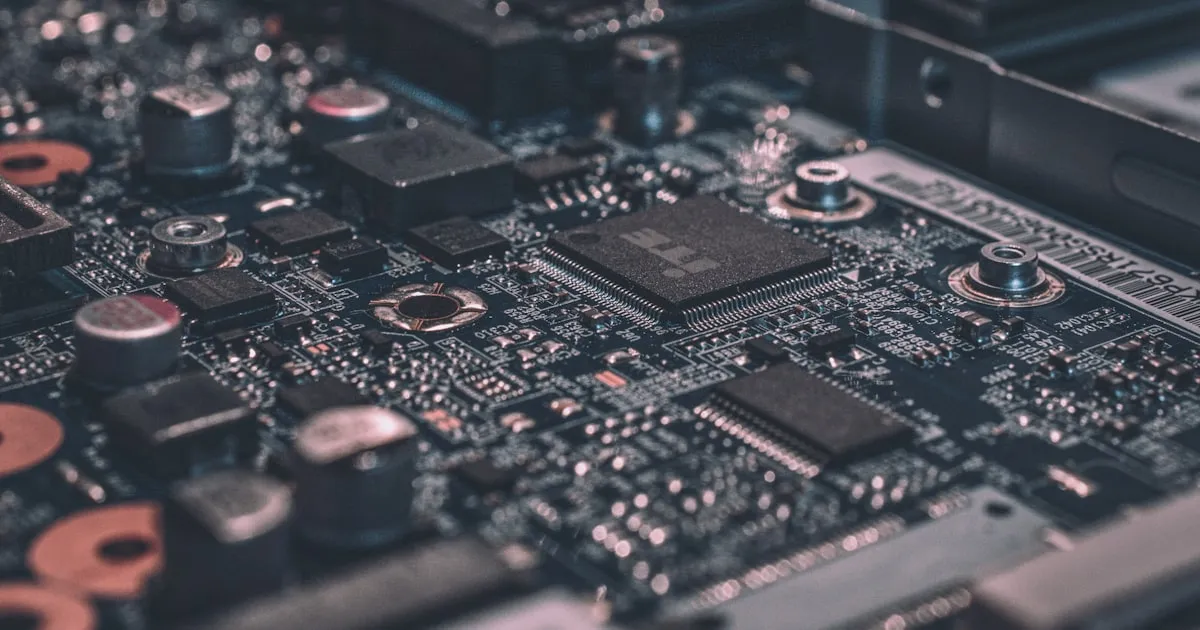
Image: Laura Ockel via Unsplash
Related Articles
About AtlasPCB — We specialize in complex PCB manufacturing for HDI, RF, and high-reliability applications. Explore our impedance-controlled PCB manufacturing . Every order includes free engineering review. Get your quote.
Reviewed by AtlasPCB Engineering Team — IPC-certified manufacturing specialists with 15+ years of production experience in HDI, RF, and high-reliability PCB fabrication. Content based on factory floor data and real customer design reviews.
- news
- Samsung
- semiconductor
- HBM
- DRAM
- AI chips
- supply chain
- PCB substrate
- memory