· David Okafor · News · 4 min read
Mobile DRAM Prices Surge 78% in Q2 2026 as Memory
TrendForce reports LPDDR5X prices rising 78-83% quarter-on-quarter in Q2 2026, forcing smartphone vendors to cut production plans and downgrade memory configurations — with ripple effects across the entire electronics bill of materials.
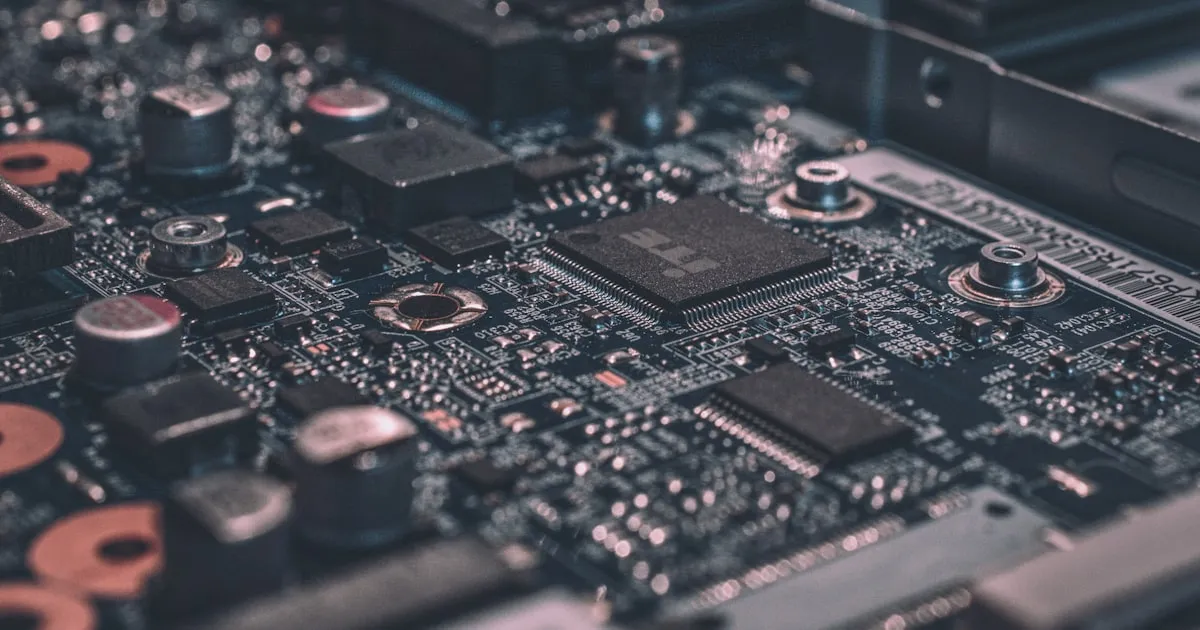
The global memory market is experiencing its most severe price escalation in over a decade, with mobile DRAM prices surging to levels that are fundamentally reshaping electronics production plans. TrendForce’s latest research, published May 15, 2026, reveals that LPDDR5X average selling prices are expected to rise 78–83% quarter-on-quarter in Q2 2026, while LPDDR4X prices are climbing 70–75% over the same period.
These are not incremental adjustments. The mobile DRAM price increases follow several consecutive quarters of steep rises and have now reached a tipping point where they are directly affecting smartphone production volumes, memory configuration choices, and overall electronics bill of materials.
Key Numbers Driving the Crisis
According to TrendForce’s Q2 2026 mobile DRAM pricing update:
- LPDDR5X ASP increase: 78–83% quarter-on-quarter
- LPDDR4X ASP increase: 70–75% quarter-on-quarter
- Smartphone production forecast: Down 12.9% year-on-year (per IDC)
- Average smartphone DRAM content: Expected to reach 8.5 GB in 2026 (+10% YoY), despite configuration downgrades
- Global smartphone shipments: ~1.12 billion units forecast for 2026
Samsung Electronics and SK Hynix are taking divergent pricing approaches: Samsung is reportedly implementing aggressive single-step price increases, while SK Hynix is pursuing more gradual quarterly escalation. Final pricing negotiations for the quarter are expected to conclude in late May 2026.
Why This Matters Beyond Smartphones
The memory squeeze is not isolated to mobile devices. AI server demand continues to absorb HBM (High Bandwidth Memory) and high-capacity DRAM at extraordinary rates, leaving less production capacity for mobile, automotive, and industrial memory products. This AI-driven capacity competition is the root cause of the current pricing environment.
For PCB and electronics manufacturers, the implications are significant:
Bill of materials pressure: Memory is typically the second-largest BOM cost item (after the processor) in most consumer electronics. A 78% increase in DRAM pricing translates to measurable increases in total product cost, forcing OEMs to either absorb margins or pass costs to end customers.
Design configuration changes: TrendForce expects 12 GB to become the mainstream high-end smartphone configuration (down from 16 GB plans), with mid-range devices settling at 8 GB. This shift affects PCB layout since different memory configurations may require different trace routing and package options.
Production volume cuts: IDC projects global smartphone shipments will fall 12.9% in 2026 to approximately 1.12 billion units. Fewer devices produced means lower demand for PCBs, flex circuits, and assembly services in the consumer segment — partially offset by higher per-unit ASPs.
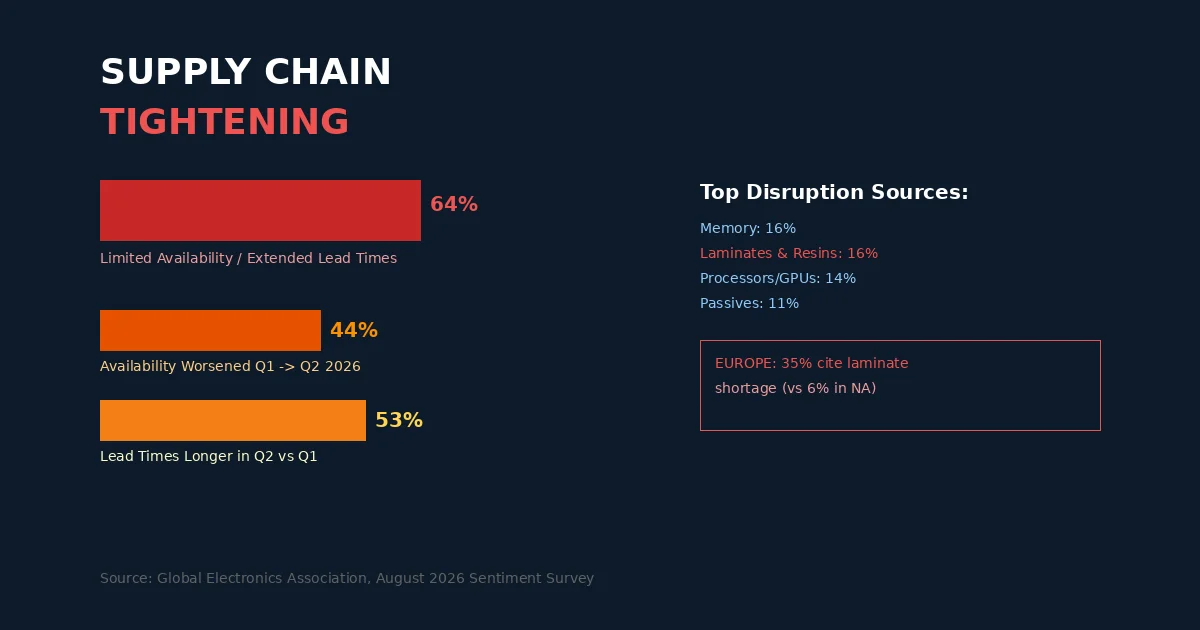
Automotive and industrial impact: Memory allocation prioritization toward high-margin AI and premium smartphone segments leaves automotive, industrial IoT, and embedded applications competing for constrained supply. Lead times for automotive-grade DRAM are extending beyond normal planning horizons.
The AI Capacity Competition
The underlying driver is straightforward: AI training and inference hardware requires enormous memory bandwidth and capacity. Each new generation of AI accelerators demands more HBM stacks, each HBM stack consumes DRAM die that would otherwise be available for mobile or commodity applications, and DRAM fabrication capacity cannot expand fast enough to serve all segments simultaneously.
Gartner has warned that surging memory costs will reduce both PC and smartphone shipments in 2026, shifting the market toward premium devices where manufacturers can absorb higher component costs. The entry-level and mid-range segments — particularly sub-$150 Android smartphones — face the greatest pressure, as there is little margin left to absorb component cost increases.
What This Means for PCB Engineers and Procurement
For hardware engineers and procurement teams at electronics companies:
- Lock in memory supply early — Long-term agreements signed at end of 2025 are becoming difficult to execute at the committed volumes due to pricing mismatches
- Design for flexibility — Consider supporting multiple memory configurations on the same PCB layout to accommodate last-minute BOM changes
- Watch substrate demand — Memory module substrates (particularly high-layer ABF substrates for HBM) are also tightening, which could create secondary supply issues
- Plan for longer cycles — The memory pricing cycle is not expected to normalize until late 2027 at the earliest, assuming AI capacity buildout continues at current pace
At AtlasPCB, we’ve seen corresponding demand shifts: more prototype and low-volume orders for AI-related hardware (GPU backplanes, HBM interposer substrates) while consumer electronics volumes have softened. Our engineering review service helps customers optimize PCB layouts for memory configuration flexibility.
Sources: TrendForce (May 15, 2026), eeNews Europe, IDC, Gartner
Image: Alexandre Debiève via Unsplash
About AtlasPCB — We specialize in complex PCB manufacturing for HDI, RF, and high-reliability applications. Explore our impedance-controlled PCB manufacturing . Every order includes free engineering review. Get your quote.
Reviewed by AtlasPCB Engineering Team — IPC-certified manufacturing specialists with 15+ years of production experience in HDI, RF, and high-reliability PCB fabrication. Content based on factory floor data and real customer design reviews.
- news
- DRAM
- memory
- semiconductor
- supply chain
- smartphone
- electronics manufacturing