· Priya Nair · News · 3 min read
Jabil Integrates ViTrox V-ONE AI Digital Factory
Global EMS leader Jabil deploys ViTrox's V-ONE digital factory solution with remote AOI programming and real-time defect analytics, enabling engineers to manage multiple production lines from a centralized control tower.

Jabil Deploys V-ONE for Centralized SMT Line Management
ViTrox Corporation Berhad announced the successful integration of its V-ONE Digital Factory Solution into Jabil Inc.’s manufacturing workflows, marking a significant milestone in Industry 4.0 adoption for high-volume electronics assembly. The deployment was confirmed on May 28, 2026.
The collaboration combines Jabil’s global manufacturing operations with ViTrox’s digital factory and inspection technologies to create a centralized system for operational management and data-driven quality decision-making across SMT production lines.
From Floor-Level Troubleshooting to Remote Control
Before adopting V-ONE and its Control Tower feature, Jabil’s technical team handled AOI machine fine-tuning and troubleshooting directly on the production floor — a manual approach requiring engineers to be physically stationed at individual machines. This created bottlenecks and delays during programming adjustments, and the lack of centralized real-time data visibility made it difficult to monitor performance across multiple production lines simultaneously.
The V-ONE implementation transforms this workflow:
Remote AOI programming: Engineers now manage operations across multiple inspection systems simultaneously from a central location, eliminating the need to walk between machines.
Enhanced productivity: Machine downtime is reduced by streamlining programming workflows. When alerts occur, engineers address them without interrupting live production.
VVTS collaborative review: The visual verification tool enables engineers and technicians to review 3D inspection images and golden reference images concurrently, improving troubleshooting speed for complex defect categorization.
Real-Time Quality Analytics
V-ONE functions as a centralized system for real-time monitoring and detailed defect analysis. Jabil’s quality teams use the platform to:
- Track FPPM/DPPM metrics — Maintain consistent quality by visually tracking First Pass and Defect Parts Per Million performance against daily benchmarks
- Equipment status visibility — Access instant machine status updates for resource allocation across entire production lines
- Historical trend analysis — Identify emerging defect patterns before they become yield-impacting events
- Cross-line comparison — Benchmark inspection performance between different production lines running the same product
“V-ONE’s remote AOI programming has been a game-changer, allowing us to manage multiple lines centrally and reduce our troubleshooting time,” said Justin Barr, Operations Director at Jabil.
Industry 4.0 Implications for PCB Quality
The Jabil-ViTrox deployment represents a broader industry shift toward digitalized quality management in electronics manufacturing. Key implications:
Data-driven process control: Rather than reacting to defects after they occur, AI-powered analytics identify process drift in real-time, enabling preventive corrections before defect rates spike.
Reduced false call rates: Modern AOI systems generate significant false positives. V-ONE’s machine learning algorithms help engineers quickly validate genuine defects versus false calls, improving both accuracy and throughput.
Scalability: A single engineer managing 5-8 AOI machines remotely (vs. 1-2 machines locally) fundamentally changes the economics of quality assurance in high-mix, high-volume manufacturing.
Traceability: Digital defect records tied to board serial numbers enable full product lifecycle quality tracking — increasingly required by automotive (IATF 16949) and aerospace (AS9100) customers.
What This Means for PCB Manufacturers
As EMS companies invest in AI-powered inspection, the quality bar for incoming PCBs rises accordingly. Advanced AOI systems detect PCB fabrication defects that older equipment might miss:
- Micro-scratches on solder mask affecting paste deposition
- Subtle copper roughness variations impacting solderability
- Dimensional variations in pad geometry affecting component placement accuracy
- Surface contamination invisible to standard inspection but detectable by 3D AOI
At AtlasPCB, our fabrication quality systems are designed to meet the incoming inspection standards of leading EMS providers. Every board undergoes AOI inspection during fabrication, electrical testing (flying probe or fixture), and final visual inspection per IPC-A-600 before shipment.
Source: PCB Directory, May 28, 2026
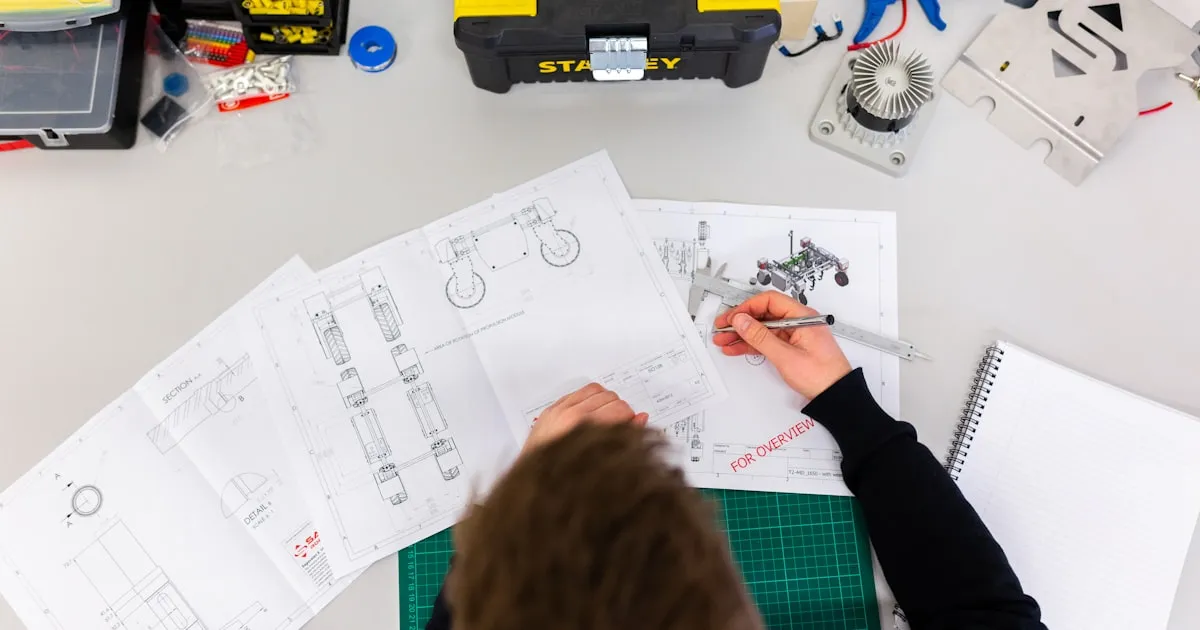
Image: Louis Reed via Unsplash
Need PCBs that meet the quality standards of top-tier EMS providers? AtlasPCB delivers IPC Class 2/3 boards with full AOI inspection, electrical testing, and lot traceability. Get a quote →
Related Articles
About AtlasPCB — We specialize in complex PCB manufacturing for HDI, RF, and high-reliability applications. Explore our full PCB manufacturing capabilities, or get an instant online quote . Every order includes free engineering review. Get your quote.
Reviewed by AtlasPCB Engineering Team — IPC-certified manufacturing specialists with 15+ years of production experience in HDI, RF, and high-reliability PCB fabrication. Content based on factory floor data and real customer design reviews.
- news
- digital-factory
- industry-4-0
- aoi
- smart-manufacturing
- quality-control