· David Okafor · News · 3 min read
Itera Unveils 'Fluid Circuit Board' Prototype
Startup Itera demonstrates a working prototype that uses liquid metal and electrowetting to physically reconfigure PCB traces — potentially making hardware iteration 1,000× faster than traditional fabrication cycles.
A Fundamentally New Approach to Circuit Board Design
Itera has publicly demonstrated what it calls the world’s first “fluid circuit board” — a prototype that uses liquid metal conductors and electrowetting technology to physically reconfigure PCB trace patterns in under one minute. The technology, reported by Tom’s Hardware, claims to make hardware iteration potentially 1,000 times faster than the traditional cycle of designing, fabricating, testing, and re-spinning a physical PCB.
The concept is radical: instead of etching permanent copper traces onto a laminate substrate, Itera’s board uses channels filled with conductive liquid metal (likely gallium-based alloy) that can be electrically directed to form or break connections on demand. Electrowetting — the phenomenon where an applied voltage changes a liquid’s surface tension, causing it to move along a channel — provides the actuation mechanism.
How It Works
Traditional PCB development involves a multi-day cycle:
- Design or modify layout in EDA software
- Export manufacturing files
- Wait for fabrication (1-5 days minimum for rapid-turn)
- Assemble components
- Test and identify issues
- Return to step 1
Itera’s fluid circuit board compresses steps 2-4 into under a minute by allowing the physical trace routing to be reconfigured electrically — without removing the board from the test bench. The engineer modifies the routing in software, and the liquid metal traces physically reconfigure to match the new design.
Technical Considerations
While revolutionary in concept, several engineering questions remain:
Current carrying capacity: Liquid metal channels may have higher resistance than solid copper traces (Cu resistivity: 1.7 µΩ·cm vs gallium alloy: 29 µΩ·cm). This limits the technology to signal-level currents rather than power delivery.
Frequency performance: The liquid metal-to-pad interface and channel geometry will have different high-frequency characteristics than conventional traces. Impedance control for high-speed signals remains undemonstrated.
Reliability: Long-term stability of liquid metal in channels, potential for oxidation, and thermal cycling behavior are open questions for any production application.
Scalability: The prototype likely supports limited trace count and spacing. Scaling to the density of a modern 6-layer HDI board (3/3 mil trace/space) seems impractical with current liquid metal technology.
Where This Technology Fits
The fluid circuit board is unlikely to replace traditional PCBs for production electronics. Instead, it targets the prototyping and hardware debugging phase where iteration speed is critical:
- Early-stage validation: Testing multiple routing strategies without fabricating new boards
- Academic research: Exploring circuit topologies rapidly in educational settings
- Analog/RF tuning: Physically adjusting trace lengths, stub positions, or matching networks in real-time while measuring performance
- Fault injection testing: Deliberately opening or shorting connections for reliability testing
AtlasPCB Perspective
While fluid circuit boards are fascinating technology, production electronics will continue to require traditional fabricated PCBs with their superior current capacity, signal integrity, reliability, and density. The innovation highlights how valuable rapid iteration is to hardware engineers — a need we address through our rapid-turn fabrication service with as-fast-as 24-hour delivery for prototype boards.
For engineers who need to iterate quickly on traditional PCBs, our instant quote system and expedited manufacturing options help compress the design cycle without sacrificing the performance characteristics that production hardware demands.
Source: Tom’s Hardware, “Prototype of the world’s first ‘fluid circuit board’ can be physically rewired in less than a minute,” May 2026
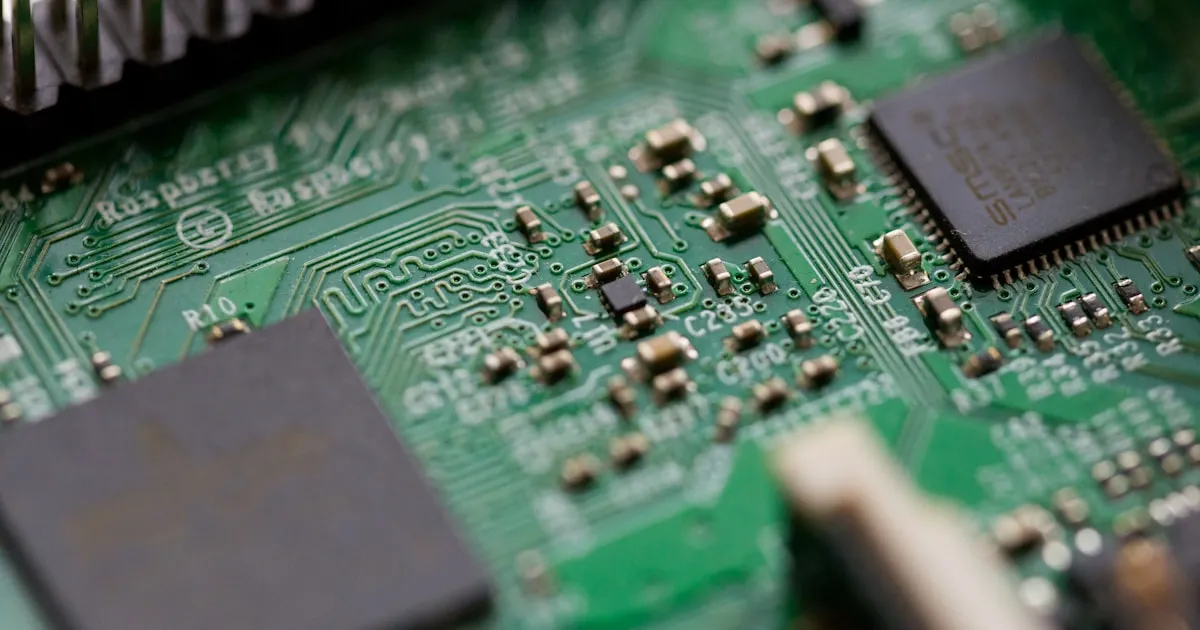
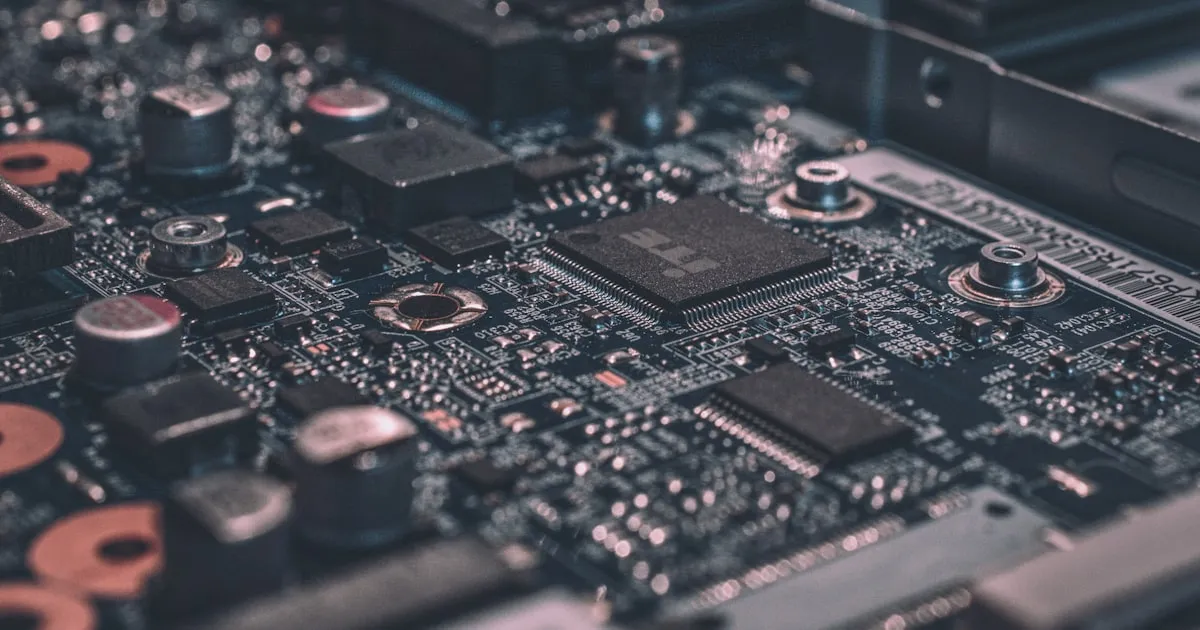
Image: Alexandre Debiève via Unsplash
About AtlasPCB — We specialize in complex PCB manufacturing for HDI, RF, and high-reliability applications. Explore our PCB prototype manufacturing from 1 piece . Every order includes free engineering review. Get your quote.
Reviewed by AtlasPCB Engineering Team — IPC-certified manufacturing specialists with 15+ years of production experience in HDI, RF, and high-reliability PCB fabrication. Content based on factory floor data and real customer design reviews.
- news
- Itera
- fluid circuit board
- liquid metal
- electrowetting
- rapid prototyping
- PCB innovation
- hardware iteration