· AtlasPCB Engineering Team · News · 3 min read
AI-Powered EDA Tools See 20th Consecutive Quarter
EDA tool revenue for PCB design reached $4.2 billion in Q1 2026, marking 20 straight quarters of growth. AI-native platforms like Quilter claim 10× faster layout while Cadence and Altium integrate ML for DFM and auto-routing, reshaping how engineers design printed circuit boards.
EDA Market Hits $4.2 Billion as AI Integration Accelerates
The electronic design automation (EDA) market for PCB design reached $4.2 billion in Q1 2026 revenue, marking 20 consecutive quarters of growth according to industry data compiled by Quilter’s 2026 EDA guide. The growth is driven predominantly by AI integration: machine learning-powered features now command premium pricing across all major EDA platforms.
The landscape is splitting between established players adding AI features to traditional tools and AI-native startups building entirely new design paradigms from the ground up.
AI-Native Platforms Lead Innovation
Quilter: Fully Autonomous PCB Layout
Quilter continues to push the boundaries of autonomous design, claiming 10× faster time-to-layout compared to manual routing for qualifying designs. Following their Project Speedrun success where an AI-designed computer booted successfully, the company is expanding into more complex multi-board systems.
Key capabilities:
- Physics-driven routing that simultaneously optimizes impedance, crosstalk, and thermal performance
- Automated DFM compliance checking against specific fabricator capabilities
- Direct manufacturing output without traditional Gerber translation
Flux.ai: Collaborative AI-Assisted Design
Flux.ai focuses on collaborative, browser-based PCB design with AI assistance:
- AI-powered component suggestion based on design intent
- Automated constraint propagation from schematic to layout
- Real-time DRC with ML-trained rule sets
Siemens Fuse: AI Agent Orchestration
Siemens recently launched Fuse, an AI agent that orchestrates workflows across their entire EDA suite (Xpedition, Calibre, HyperLynx). Rather than replacing the engineer, Fuse acts as an intelligent assistant that automates routine tasks while flagging decisions requiring human judgment.
Traditional Leaders Add ML Features
Cadence Allegro
Cadence’s 2026 updates include:
- ML-based via placement optimization for signal integrity
- Automated power delivery network (PDN) analysis with AI-recommended decoupling
- Predictive DFM scoring that estimates fabrication yield before design completion
Altium Designer
Altium’s AI integration focuses on accessibility for smaller engineering teams:
- AI-assisted component selection from parametric specifications
- Intelligent autorouter trained on millions of production-verified designs
- Natural-language design rule entry (“keep all 100Ω differential pairs at least 3× height from reference plane”)
KiCad + Open-Source AI
The open-source community is also advancing AI capabilities:
- KiCad’s plugin ecosystem now includes ML-based placement optimization
- Community-trained models for component footprint recognition
- Open-source routing algorithms approaching commercial autorouter quality
What This Means for PCB Manufacturing
The rise of AI-designed boards creates both opportunities and challenges for fabricators:
Opportunities:
- AI tools optimize for manufacturability from the start, potentially reducing DFM iteration cycles
- Standardized output formats reduce translation errors
- Better designs mean fewer fabrication defects and higher first-pass yield
Challenges:
- AI tools may generate designs that push fabrication limits more aggressively
- Reduced human oversight means potential blind spots in unusual geometries
- Fabricators must update DFM databases more frequently as AI tools evolve
Industry Perspective
As EDN’s coverage of DATE 2026 noted, the research community is developing methods for AI-enabled, verification-aware design that addresses trust and reliability concerns. The convergence of AI capabilities with formal verification is expected to accelerate adoption in safety-critical applications (automotive, medical, aerospace) that have been cautious about AI-generated designs.
AtlasPCB’s AI-Ready Manufacturing
AtlasPCB’s DFM review process is compatible with all major EDA output formats, including direct integration with AI-native tools. Whether your board was designed manually in Altium or autonomously by Quilter, our engineering team provides comprehensive manufacturability analysis and competitive quoting for designs of any complexity.
Further Reading
- Quilter Publishes Project Speedrun Results: AI-Designed Computer Boots Successfully
- Siemens Xpedition Standard Adds AI-Powered Workflows in May 2026
- Autonomous PCB Layout: Quilter, Siemens Fuse, and Flux.ai in 2026
Sources: Quilter AI — 2026 Guide to AI-Powered PCB Design Tools (2026); EDN — Lessons from DATE 2026 (2026); Flux.ai Blog; Promwad — AI-Driven EDA Tools 2026
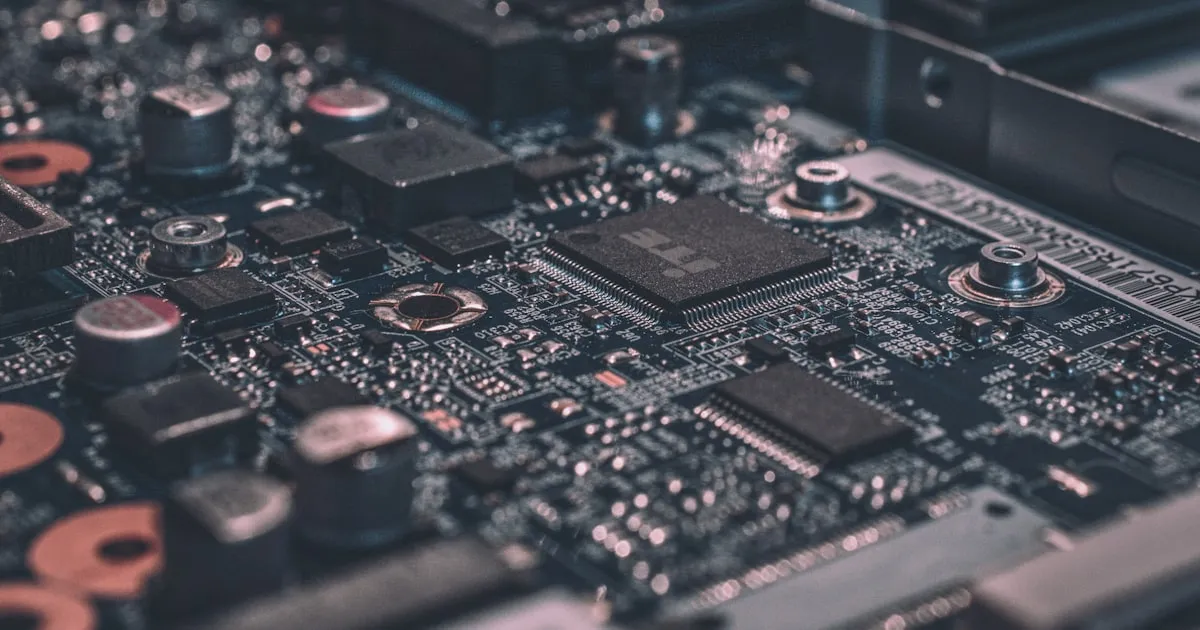
Image: Circuit board design software interface via Unsplash
About AtlasPCB — We specialize in complex PCB manufacturing for HDI, RF, and high-reliability applications. Explore our full PCB manufacturing capabilities, or get an instant online quote . Every order includes free engineering review. Get your quote.
Reviewed by AtlasPCB Engineering Team — IPC-certified manufacturing specialists with 15+ years of production experience in HDI, RF, and high-reliability PCB fabrication. Content based on factory floor data and real customer design reviews.
- news
- AI PCB design
- EDA tools
- Quilter
- Cadence
- Altium
- machine learning
- PCB layout
- design automation
- AI hardware